Be yourself; Everyone else is already taken.
— Oscar Wilde.
This is the first post on my new blog. I’m just getting this new blog going, so stay tuned for more. Subscribe below to get notified when I post new updates.
Healthy Mind For a Healthy Body
Learn more about mental health and its physical effects on the body
Be yourself; Everyone else is already taken.
— Oscar Wilde.
This is the first post on my new blog. I’m just getting this new blog going, so stay tuned for more. Subscribe below to get notified when I post new updates.
As discussed in my previous blog posts, eating disorders are serious mental illnesses that take a toll on the minds and bodies of all kinds of people all over the world. Head to my first blog post for more factual information and statistics on eating disorders, and take a look at my fourth blog post for myths and facts about eating disorders. There are many great resources for information on eating disorders which can be found in my second post, but in this post I want to present an app that I’ve developed myself in order to help control, prevent, and treat eating disorders.
Social media and technology are so important in this day and age. In my third blog post you can find some helpful social media accounts, but I think an app would be a great way to put resources, social media, and treatment options all in one place for people to conveniently access.
After doing research on existing apps used for eating disorders, I discovered that many of the apps focus on tracking meals and logging emotions. There are also more broad apps surrounding mental health as a whole that use Cognitive Behavioral Therapy to help with symptoms.
My app “RecoverTogether” would be inspired by Jane McGonigal’s TedTalk in which she develops a game called SuperBetter to help people struggling with illnesses and injuries. One part of the app would be the game. In this game, you would gain points for doing certain tasks throughout the day in order to reach a certain point goal each day. For instance, you would get 10 points for telling yourself that weight shouldn’t matter and 20 points for eating a balanced breakfast. After a while the point goal would increase. It would maybe start as 100 points, then the next week would be 120 points, and over time it could reach up to 500 points!
RecoverTogether would have different tabs at the bottom, so it would be organized similar to Facebook or Instagram.
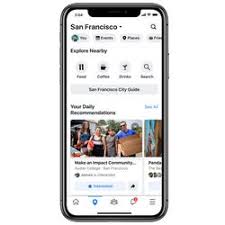
In another tab, there would be resources available to you. For instance, it would have the number for the eating disorder hotline as well as addresses for clinics and centers near you based on your location.
Another tab would be where you could enter goals for yourself and check them off as you accomplish them. They could be daily goals like “Try not to purge after eating” or long-term goals like “Eat what I want without feeling guilty.”
The last tab would be a forum in which you could chat with a therapist or other people who are also using the app. This is a way to make individuals feel like they are part of a community, and show that there are people there to help when you need it. Hopefully this would create a positive environment in which people using the app can help one another when they’re having a hard day and struggling with the disorder.
Lastly, I would have the app send daily notifications. They could range from simple mood boosting reminders like “you are beautiful” to “only 20 points until you reach your goal for the day.” This way individuals are getting little nudges to keep them motivated throughout the day.
Overall, my app would be a place where people can go for motivation, treatment options, reminders, and a community that helps them fight eating disorders no matter where they are or what resources are readily available to them. I want this RecoverTogether to give people hope for the future by helping to ease their minds from the constant pressure they are feeling.
Happy National Eating Disorder Awareness Week!
In my first Blog Post I addressed the problem of eating disorders and the need to inform people on them because they are widely misperceived by those who don’t have detailed knowledge on the matter. In this post I will discuss common myths surrounding eating disorders and whether they are true or not. I will also provide sources and social media accounts for factual information on eating disorders.
Myths Debunked!
FALSE: People do not choose to have an eating disorder. In fact, eating disorders are a serious psychological disease. There are numerous causes for eating disorders including genetics, environmental and biological factors, as well as social factors. Eating disorders can also pair with other mental disorders like depression, OCD, or anxiety.
2. Only women get eating disorders.
FALSE: Eating disorders affect all varieties of people of all ethnicities, ages, genders, weights, and socioeconomic statuses. About 30% of people with an eating disorder are men; however, men are less likely to seek treatment or receive help from others for their disorder.
3. You can tell if someone has an eating disorder by how they look.
FALSE (sometimes): There are cases when eating disorders become apparent, as in the severe cases of anorexia nervosa. Bulimia, however, is the most common eating disorder and many people who suffer from this appear healthy although they have extreme damage to the inside of their bodies.
4. Eating disorders are a matter of vanity and are only a way to get attention.
FALSE: Eating disorders are not a matter of vanity or appearance. Most people suffering from an eating disorder often hide their bodies under baggy clothes because of their constant insecurity. They often have a distorted image of their body and view themselves as overweight even if they’re actually very thin or even underweight.
5. Eating is the only way to treat eating disorders.
FALSE (sometimes): Some patients can establish healthy eating habits in order to maintain a normal weight; however, it’s usually a matter of psychological training and therapy. It’s important for people with eating disorders to first strive to be properly nourished instead of being malnourished, then to work on the mental aspect of their disorders.
6. Families and parents are the cause of most adolescent eating disorders.
FALSE (sometimes): Parents have historically been said to be the cause of many eating disorders. There are certain parenting styles that may lead to this, but there are a lot of other factors that could cause eating disorders as stated earlier.
7. Eating disorders are caused by the media.
FALSE: It’s true that media can have a negative effect on body image and perception, but of the millions of people exposed to media every day, only a very small percentage of them develop eating disorders because of it. These people also may have a genetic predisposition to eating disorders, so we cannot say for sure that media is the cause of any eating disorder.
8. Eating disorders are not treatable.
FALSE: There are treatment options for people at any age, gender, race, and socioeconomic status. Different types of treatment may work better for some than others, but there are many different choices. It’s important for people dealing with eating disorders to reach out to people they are close with or to a medical professional in order to find the best treatment plan for them.
To Sum It Up
There are numerous myths surrounding eating disorders, and it’s important that we identify what’s true because eating disorders are a detrimental illness. Some sources can also be found in my second Blog Post where I discussed sources to trust vs. sources not to trust. My third Blog Post can also be used to find some of my accounts from my social media campaign for more tips and facts on eating disorders. There are also accounts on social media platforms like Twitter where people share their stories and give guidelines for how to get help for an eating disorder. For example @schnitt_talk and @espnW are great examples of resources on social media.
My mission here at “Healthy Minds for Healthy Bodies” is to bring awareness to the extreme health issues caused by eating disorders and to debunk some myths and inaccurate information regarding these disorders.
My first post highlighted important statistics regarding eating disorders and provided some useful resources for those who are interested in learning more or getting help. It’s important to note that eating disorders are not the product of poor decisions or weight loss plans; eating disorders are a mental illness that causes harm to the physical body.
My second post focused on which sources to trust and which not to trust when looking for information on eating disorders. There are many great sources out there that give fascinating statistics about eating disorders and offer advice on how to receive treatment for these disorders. On the other hand, there are some resources that should not, by all means, be used as a source of information, like websites that provide diet plans that advertise anorexia as a way to lose weight.
Social Media
Social media is a prominent forum that allows people to give and receive information easily. This is a great feature of the internet, and things like blogs and Facebook give people an opportunity to provide the public with knowledge on a topic that’s important to them; however, social media has its drawbacks. For example:
Copyright
There are some sources that can’t be shared because of Copyright, but it’s important to gain insight from other’s work as long as we give credit to those people. I aim to use content that has already been published to highlight key details and distinguish good information from bad information without claiming this information as my own or gaining any profit.
Here are my own social media accounts used to spread awareness for my campaign.
My campaign Healthy Minds 4 Healthy Bodies can be found on Instagram at @hmf.hb
My campaign can also be found on Facebook at Healthy Minds for Healthy Bodies
My campaign can be found on Vimeo at Vimeo.com/mentalhealth
Remember, social media is a great outlet for reaching out to others or finding resources that are relatable to you, but just make sure to be smart about social media in order to avoid scams and exposing your personal information.
In my previous post, I highlighted the importance of eating disorders and the harm caused by them. Many might understand the depth of these disorders as they’re caused by serious mental disturbances; however, eating disorders are still misunderstood and thought by some to be self-prescribed weight loss programs. In this blog post I will point out some resources used to clear up any questions regarding eating disorders and provide sources to help people receive treatment. I also want to identify some sources that are unreliable in that they support eating disorders as a way to lose weight and encourage people to develop these eating patterns.
Get Facts and Get Help
They also give sources within each step for further information, and there’s a chat section for people to directly reach out to the company. This source is important for those beginning to seek guidance for treatment of an eating disorder.
3. Help Guide is an awesome resource that informs people on how to help others who have an eating disorder. They give some great background information on eating disorders, so the person can educate themselves before they reach out to someone with an eating disorder. I also really like the section provided on common myths about eating disorders. It’s important to look past the media and learn the facts on these mental illnesses. Lastly, it informs people on how to talk to someone you may be concerned about.
Lose These Sources if you Want to Lose Weight
2. Crazy Figures is another “Pro Ana” source that provides several diets that can be used to achieve extreme weight loss. Some of the diets include:
These ridiculous diets are not scientifically proven and they’re used to promote unhealthy eating habits. I also encountered many spelling and grammatical errors throughout the website, which adds to my case that it is a very unreliable source.
3. Quora is a question and answer forum in which people can ask about almost anything they wish and get answers and insight from others who have an account. I came across an astonishing amount of questions regarding people trying to develop an eating disorder in order to lose weight quickly. Many people asked for advice on how to become anorexic, what the best “Pro Ana diets” are, and how to hide the signs of an eating disorder so people won’t notice. These disturbing forums push people further into the depths of mental illness instead of leading them toward help.
To Sum it Up
These websites provide a wide variety of resources available to people regarding eating disorders. Obviously, some of them are more useful than others, but it’s important to know of the informative sites and the sites providing misinformation so we can get the facts needed to get help people with eating disorders.
Problem:
Eating disorders are often thought to be poor lifestyle choices leading to grossly low body weight and unhealthy binging; however, that’s not the case at all. Eating disorders are serious, sometimes fatal diseases caused by mental illness that come in many types and forms. It’s important to acknowledge the prevalence and consequences of these disorders because they are about much more than just body image and bad habits. Eating disorders are about serious thoughts and emotional disturbances leading to the problematic eating behaviors that harm the physical body.
Stats:
Who it affects:
There are many different types of eating disorders including anorexia nervosa, bulimia nervosa, binge eating disorder, co-occurring disorders, and many more.
Anorexia nervosa is characterized by thoughts leading individuals to believe that they are overweight even though they may be severely underweight. This causes them to restrict their calories and constantly monitor their weight.
Bulimia nervosa is seen in individuals who binge eat, feeling like they can’t stop eating, and then purging to make up for the excessive eating and to relieve their discomfort. This is often done in the form of forced vomiting, laxatives, diuretics, or excessive exercise.
Binge eating disorder is typically described as eating extreme amounts of food in a short period of time without feeling a sense of control or being able to stop and then feeling ashamed of the binging behavior. This often leads to large weight gains and, eventually, obesity.
Goals:
Raise awareness for eating disorders in all groups of people.
Understand common misconceptions of eating disorders.
Be aware of the negative consequences of these disorders.
Distinguish between different types of eating disorders.
Resources:
The Association of Anorexia Nervosa and Associated Disorders is a nonprofit organization that offers many tools to those struggling with eating disorders. Some of the tools include helplines, support groups, grocery buddies, and recovery mentors.
The National Eating Disorder Association is the nation’s largest nonprofit focusing on the prevention of eating disorders. NEDA provides help for those looking for low cost treatment, struggling with relapse, looking to get screened for an eating disorder, and much more.
Beyond Hunger is an eating disorder prevention and education program that aims to help people who find themselves obsessing over food and body weight and image. They want to change people’s psychological constraints around food and weight in order to have a peaceful relationship with the body.
This is an example post, originally published as part of Blogging University. Enroll in one of our ten programs, and start your blog right.
You’re going to publish a post today. Don’t worry about how your blog looks. Don’t worry if you haven’t given it a name yet, or you’re feeling overwhelmed. Just click the “New Post” button, and tell us why you’re here.
Why do this?
The post can be short or long, a personal intro to your life or a bloggy mission statement, a manifesto for the future or a simple outline of your the types of things you hope to publish.
To help you get started, here are a few questions:
You’re not locked into any of this; one of the wonderful things about blogs is how they constantly evolve as we learn, grow, and interact with one another — but it’s good to know where and why you started, and articulating your goals may just give you a few other post ideas.
Can’t think how to get started? Just write the first thing that pops into your head. Anne Lamott, author of a book on writing we love, says that you need to give yourself permission to write a “crappy first draft”. Anne makes a great point — just start writing, and worry about editing it later.
When you’re ready to publish, give your post three to five tags that describe your blog’s focus — writing, photography, fiction, parenting, food, cars, movies, sports, whatever. These tags will help others who care about your topics find you in the Reader. Make sure one of the tags is “zerotohero,” so other new bloggers can find you, too.


 Healthy Mind For a Healthy Body